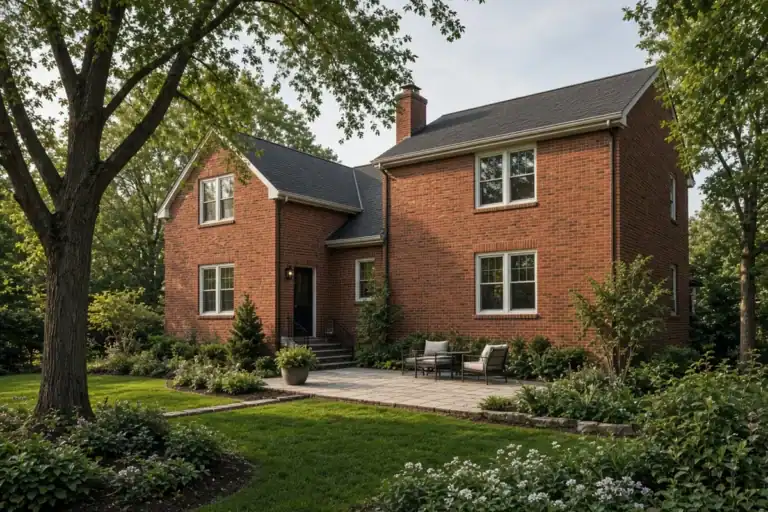
A lot can look perfect on a sunny afternoon and still be the most expensive mistake in a custom home project. The problems that matter most are rarely visible from the road: soil that will not support a septic system, an easement running through the best building spot, a setback that pushes the house into the trees you wanted to keep, or a water line that ends half a mile short.
Buying land first and building your own home on it is one of the best ways to get exactly the setting you want. It works best when the land is evaluated as carefully as the house. This guide covers what to check before you buy, how the septic and soil process works in Ohio, and why getting a builder involved before closing usually saves money.
Why Building on Your Own Lot Appeals to So Many Buyers
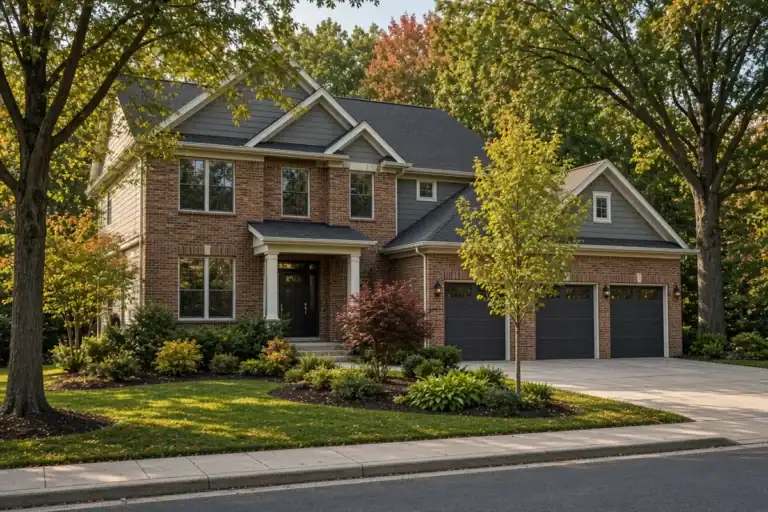
Many Central Ohio buyers start with a place rather than a plan. They want a wooded parcel near Powell, a few acres outside Marysville, or an infill lot in an established Dublin neighborhood close to family and schools. Building on your own lot gives you control over location, orientation, and lot size that a new subdivision may not offer.
It also changes the nature of the project. In a planned community, the developer has already handled zoning, utilities, drainage, and road access. On your own land, those questions become yours, and each one carries a cost.
Start With Zoning and What the Land Allows
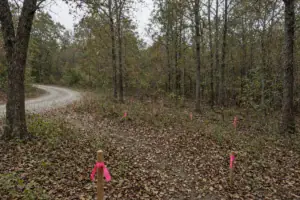
Every parcel sits within a zoning district that controls what can be built there. Before anything else, confirm that a single-family home is a permitted use and find out the minimum lot size, frontage requirements, setbacks from property lines, maximum lot coverage, and height limits.
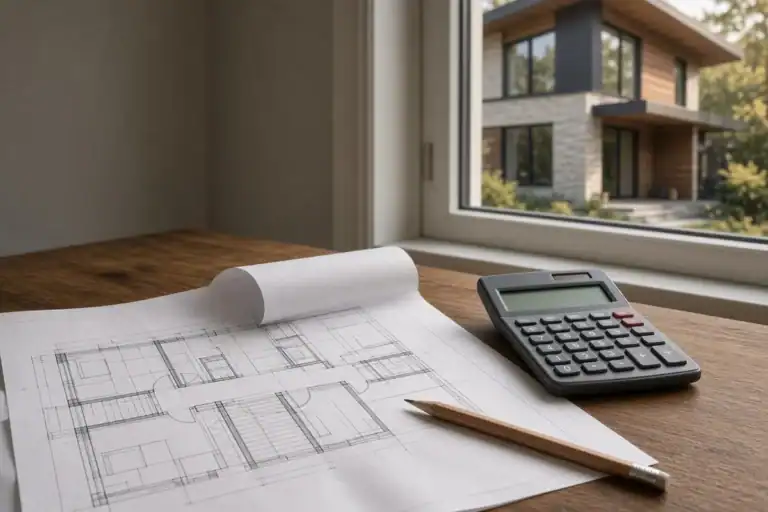
Setbacks deserve special attention because they shrink the area you can actually build on. A one-acre lot with deep front and side setbacks, a utility easement, and a drainage swale may leave a surprisingly narrow building envelope. Draw those lines on a site plan before you fall in love with a specific house design.
If the lot is inside a neighborhood with a homeowners association or an architectural review board, request its covenants and design guidelines too. They may set minimum home sizes, require certain exterior materials, limit outbuildings, or control fence styles and driveway placement.
Zoning authority depends on where the land sits. Property inside a city or village falls under that municipality’s code. Land in an unincorporated township may be governed by township zoning, county regulations, or both. When in doubt, call the local zoning office with the parcel number and ask directly.
Utilities: Public Service or On-Site Systems
Water and sewer
On suburban lots, public water and sanitary sewer are often available at the street. Even then, confirm the connection point, the size of the existing lines, and the tap fees. In some Central Ohio communities, water and sewer tap fees add a meaningful amount to your budget before a single board is cut.
On rural parcels, public utilities may not be available at all. That means a private well for water and a household sewage treatment system, commonly called a septic system, for wastewater. Both require approval from the county health district, and both can be decisive in whether a lot is buildable.
Electric, gas, and internet
Ask the electric utility how far its nearest service is from your planned house location and what it will charge to extend it. A long service run across open land can be expensive. Natural gas may not be available on rural parcels, which affects your heating and appliance choices. Reliable high-speed internet is worth confirming too, especially if you work from home.
The Septic Question: Soil Evaluations and Perc Tests in Ohio
Many buyers search for a “perc test” when they want to know whether land will support a septic system. The traditional perc test measures how quickly water drains into a hole dug in the soil. Ohio’s current household sewage rules, found in Ohio Administrative Code Chapter 3701-29, focus instead on a site and soil evaluation that examines the soil profile itself: texture, structure, depth to seasonal water table, depth to bedrock, and slope.
In practice, a qualified soil scientist digs test pits or borings in the proposed system area and documents what they find. That evaluation goes to a system designer, who designs a sewage treatment system suited to the soil and the size of the house. The local health district reviews the design and issues the permit.
The results determine what kind of system the lot can support and how much space it needs. A lot with deep, well-drained soil may accommodate a conventional system. A lot with a shallow seasonal water table, which is common in parts of Central Ohio with heavy clay soils, may require an engineered system such as a mound or a system with additional treatment, which costs considerably more. Some lots cannot support any on-site system at all.
The Licking County Health Department puts it plainly in its guidance for buyers: anyone planning to purchase or build on a lot should have the site evaluated early, because system size, design, and cost depend on soil and site conditions, and not every lot can be served. The same advice applies in Union, Delaware, Madison, and other surrounding counties.
The practical takeaway is simple. If a rural lot will need septic, make your purchase contract contingent on a satisfactory soil evaluation. Paying for the evaluation before closing costs far less than discovering afterward that the lot needs an expensive engineered system or cannot be permitted.
Wells and Water Quality
A private water system also requires a permit from the local health district. Well depth, yield, and water quality vary across the region. Talking with neighbors about their wells and asking a local well driller about typical depths in the area can give you a reasonable expectation before you buy. After drilling, water testing will show whether treatment such as softening or iron filtration is needed, which is common in parts of Ohio.
Topography, Drainage, and Soils for the Foundation
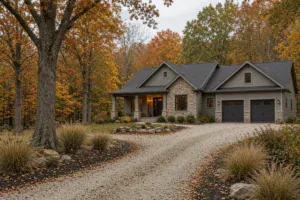
Slope shapes everything from foundation design to driveway layout. A gentle slope may be ideal for a walkout basement. A steep one may require retaining walls, extra excavation, and careful grading to move water away from the house.
Look at how water moves across the property after a heavy rain. Low spots that hold water, signs of erosion, and wet areas near the likely house site are worth noting. Check whether any part of the parcel sits in a mapped floodplain using the FEMA Flood Map Service Center, since floodplain construction triggers additional requirements and may affect insurance.
For the foundation itself, a geotechnical or soil bearing evaluation is sometimes worthwhile, particularly on fill, near wetlands, or where previous use of the land is uncertain. Our custom home FAQs touch on how we approach grading and drainage challenges once a lot is under contract.
Access, Easements, and the Survey
Confirm that the lot has legal access to a public road. For rural land, the county engineer or township may need to approve a new driveway connection and may require a culvert where the driveway crosses a roadside ditch.
Order a current boundary survey and review the title commitment carefully. Easements for utilities, drainage, pipelines, or shared driveways can limit where you can build or what you can do on parts of the property. Older parcels sometimes carry easements that are not obvious on the ground but still bind the land.
The Real Cost to Build a House on Your Own Land
Lot price is only the starting point. A realistic land budget also includes the soil evaluation and septic design, well drilling, utility extensions, tap fees, tree clearing, grading, driveway construction, a boundary survey, and permitting. On a finished suburban lot many of these costs are small or already covered. On raw acreage, they can rival the cost of a modest home addition.
When comparing two lots, compare the cost to make each one ready for construction, not just the asking price. A cheaper parcel that needs an engineered septic system, a 600-foot driveway, and a long electric extension may cost more than a pricier lot with utilities at the street. Our post on the cost to build a custom home in Central Ohio explains how site work fits into a complete project budget, and our article on construction loans in Ohio covers how owned land can count toward your down payment.
Bring Your Builder in Before You Close
A builder looks at land differently than a real estate listing does. Walking the property with someone who builds homes regularly can surface issues quickly: where the house will realistically sit, how deep the foundation will need to go, whether the driveway will need significant grading, and which utility questions to ask before the inspection period ends.
It also helps you match the house to the land. A design drawn for a flat suburban lot rarely fits a sloped wooded parcel without changes. Seeing the site first lets the plan take advantage of views, sun orientation, and natural grade rather than fighting them. Our guide to choosing the right architectural style discusses how setting and style work together.
If you are looking at land in the western part of the region, our article on building a custom home in Plain City covers several local considerations in more detail.
Frequently Asked Questions
Do I need a perc test to build on land in Ohio?
If the property will use a septic system, you will need a site and soil evaluation, which Ohio’s rules use in place of a simple perc test in most cases. A qualified soil scientist evaluates the soil profile, a designer creates the system, and the county health district issues the permit.
Should I buy land before choosing a builder?
You can, but involving a builder before closing is usually wiser. A builder can identify site costs and constraints during your inspection period, when you still have the option to negotiate or walk away.
How much does site preparation add to the cost of building on my own lot?
It varies widely. Suburban lots with utilities at the street may need modest work, while rural parcels requiring a well, septic system, long driveway, and utility extensions can add a substantial amount. Get estimates for each item before you buy.
What should be in a land purchase contingency?
Common contingencies include a satisfactory soil evaluation for septic, confirmation of utility availability, a clear survey and title, and zoning verification. Your real estate attorney or agent can help structure them.
Can StoneBrook build on land I already own?
Yes. We build on rural acreage and infill lots throughout Central Ohio and can evaluate a parcel you own or are considering before design begins.
Have a Lot in Mind?
If you own land or are considering a parcel in Marysville, Powell, Plain City, or elsewhere in Central Ohio, StoneBrook can walk the site with you and outline what it will take to build there. Learn about our custom home construction services or contact us to schedule a lot review.