Plain City sits at the crossroads of rural acreage and suburban growth, offering families the space and privacy they crave without sacrificing proximity to Columbus. But custom home construction in Plain City looks very different from building in New Albany or Powell. You're navigating septic vs. sewer decisions, evaluating well water feasibility, and understanding zoning nuances that can make or break your timeline and budget.
If you're considering building here, you need a builder who understands both the opportunities and the complications unique to this semi-rural market. Stonebrook Custom Homes has worked across infill lots and rural acreage in Central Ohio for two decades, and we know exactly what to evaluate before you sign on a piece of land.
Why Plain City Custom Homes Require a Different Approach

Plain City isn't a master-planned community with turnkey infrastructure. You're often building on larger parcels where utilities, road access, and soil conditions vary wildly from lot to lot.
Septic vs. Sewer: The First Big Decision
Most Plain City custom home sites aren't connected to municipal sewer. That means you'll need a septic system, and not every lot can support one. Soil percolation tests, setback requirements from property lines and wells, and Madison County Health Department approval all come into play before you break ground.
Stonebrook works with local engineers to conduct perc tests early in the lot evaluation process. We've seen buyers fall in love with a property only to discover the soil won't support a standard septic system without costly engineered solutions like mound systems or aerobic treatment units.
Well Water Considerations
If your lot isn't on municipal water, you'll drill a well. Depth, flow rate, and water quality testing add both time and cost to your project. Wells in this area typically range from 80 to 200 feet deep, and you won't know the flow rate until you drill.
We budget well drilling into the site prep phase and coordinate testing for hardness, iron, sulfur, and bacteria before the home goes up. You don't want to discover water quality issues after move-in.
Zoning and Setback Nuances
Plain City falls under Madison County zoning in unincorporated areas and Village of Plain City zoning within municipal limits. Setbacks, accessory structure rules, and lot coverage limits differ depending on which jurisdiction your parcel falls under.
Larger lots often come with agricultural zoning, which can limit certain home styles or require conditional use permits. Our team walks through zoning verification during your resources phase so there are no surprises when you submit for permits.
Rural Acreage vs. Infill Lots: How Stonebrook Handles Both
Plain City offers two distinct lot types, and your build approach changes depending on which one you choose.
Rural Acreage Projects
If you're building on two, five, or ten acres, you gain privacy and design freedom. But you also take on infrastructure challenges.
Road access and driveway length become budget line items. A quarter-mile gravel driveway needs proper grading, drainage, and base material to handle Ohio winters. We coordinate with excavation contractors early to avoid erosion and frost heave issues.
Utility runs can add significant cost. Electric, gas, and phone lines may need to be extended from the road to your build site. We help you understand these costs upfront during the contact and lot consultation phase.
Septic and well placement requires coordination with setbacks, drainage patterns, and future outbuilding plans. Stonebrook maps these elements during design so your systems don't box in future expansion.
Infill Lots in Plain City's Growth Areas
As Plain City expands, infill lots closer to the village center offer smaller parcels with easier utility access. These lots often connect to municipal water and sewer, shortening your timeline and simplifying permitting.
But infill brings its own challenges: tighter setbacks, neighbor considerations, and HOA or ARB rules if the lot sits within a platted subdivision. Stonebrook navigates these constraints daily across Columbus suburbs, and we adjust massing, rooflines, and exterior materials to fit the context while preserving your vision.
Seasonal Soil and Weather Considerations in Plain City
Central Ohio's clay-heavy soils and freeze-thaw cycles affect foundation work, grading, and excavation schedules.
Spring Wet Season Delays
Plain City's rural lots often sit on less-developed land with limited drainage infrastructure. Spring rains can delay excavation by weeks if the site becomes too saturated for heavy equipment. We schedule foundation pours around weather windows and use engineered fill when necessary to stabilize the build pad.
Winter Frost Depth
Footings in Ohio must extend below the frost line (typically 32 to 36 inches). If you're building on a walkout or daylight basement, grading and backfill become more complex. Stonebrook accounts for frost protection, drainage tile, and waterproofing in every foundation plan.
Soil Testing and Compaction
We conduct soil tests on every site to determine bearing capacity and drainage characteristics. Expansive clay soils can shift with moisture changes, so proper compaction and grading aren't optional. According to the International Building Codes — ICC, foundation design must account for local soil conditions to prevent settling and cracking.
How Stonebrook's Lot Consultation Helps You Avoid Costly Mistakes
One of the biggest pain points for first-time custom home builders is buying land without understanding what it takes to make it buildable. Stonebrook offers lot consultation and land acquisition support to evaluate every variable before you commit.
What We Review During a Lot Consultation
Utilities availability and extension costs. We contact local utility providers to confirm service availability and estimate connection fees.
Zoning compliance and setback calculations. We pull zoning maps and measure setbacks to confirm your planned home will fit.
Septic feasibility and perc test coordination. We bring in a licensed soil scientist to test percolation rates and determine system type.
Well drilling probability and depth estimates. We review geologic surveys and neighboring well logs to estimate drilling costs.
Road access and driveway engineering. We assess slope, drainage, and turnaround requirements for emergency vehicle access.
HOA or ARB rules (if applicable). We review covenants and architectural guidelines to confirm your design will be approved.
This process typically takes two to three weeks and saves buyers from purchasing unbuildable land or underestimating site prep costs by tens of thousands of dollars.
Architectural Styles That Work Well in Plain City
Plain City's semi-rural character lends itself to certain home styles more naturally than others.
Modern Farmhouse
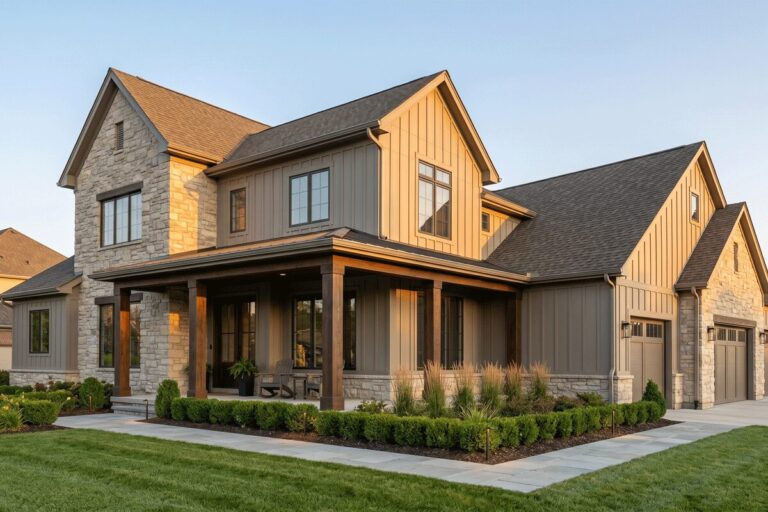
Board and batten siding, metal roofing, covered porches, and clean lines fit the landscape perfectly. Modern farmhouse remains the most requested style for Plain City custom homes, and Stonebrook has built dozens across the area.
Transitional and Craftsman
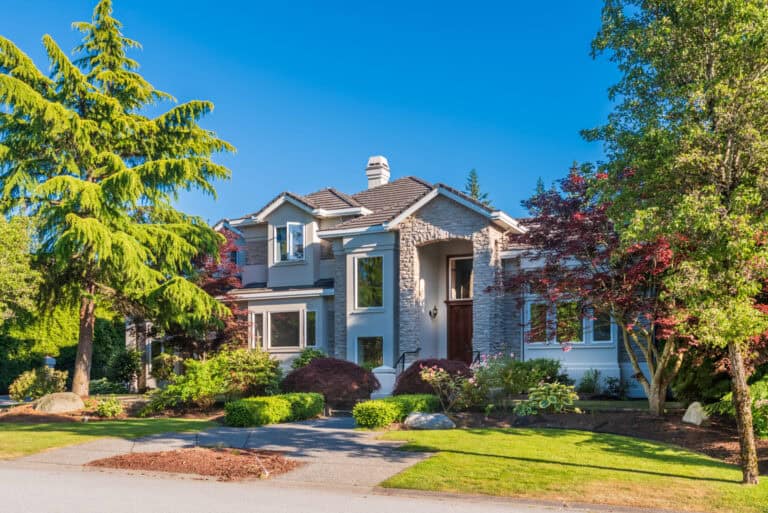
If you prefer warmth and detail over stark minimalism, transitional and craftsman styles offer timeless appeal. Stone accents, tapered columns, and deep eaves complement wooded lots and larger parcels.
Mid-Century Modern on the Right Lot
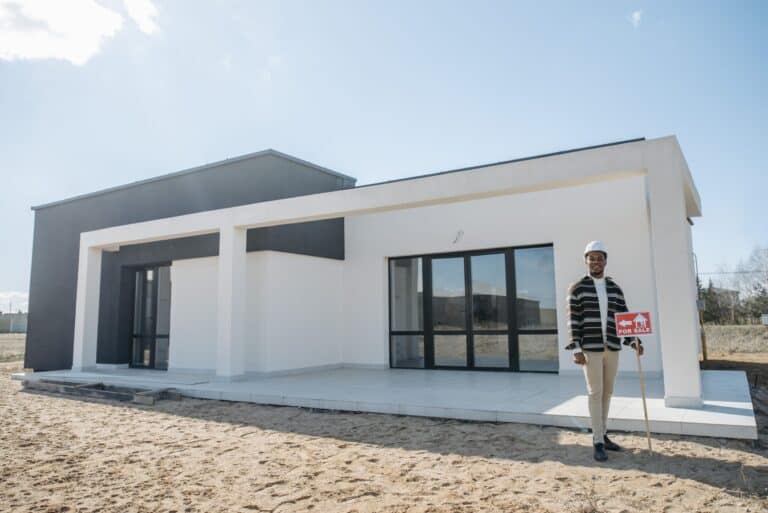
For buyers with more contemporary tastes, mid-century modern works beautifully on open, flat parcels with good sightlines. Large windows, low-pitched roofs, and horizontal massing create a striking contrast against Plain City's rural backdrop.
Stonebrook's design collaboration approach means we can work with your architect or provide integrated design-build services. Either way, we refine layouts, exterior massing, and material selections until the home feels right for both you and the land. Learn more about our philosophy in our blog post on design and function.
Permitting and Inspections: What to Expect in Plain City
Permitting timelines in Madison County and the Village of Plain City are generally faster than in Columbus proper, but you still need to plan for a multi-week review process.
Plan Review and Approval
Residential building plans go through the Madison County Building Department or Plain City's building official, depending on your location. Plan review typically takes two to four weeks. Stonebrook submits complete, code-compliant plans the first time to avoid resubmission delays.
Required Inspections
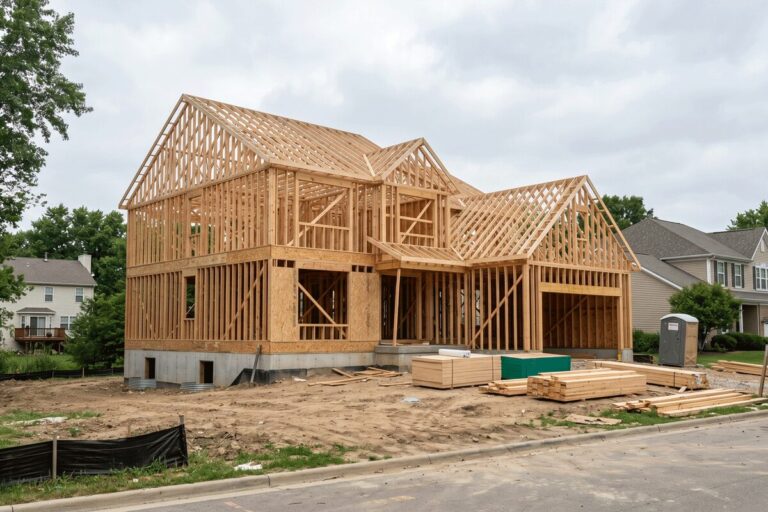
You'll need inspections at footings, foundation, framing, mechanical rough-in, insulation, and final. Each inspection must pass before the next phase begins. We schedule inspections in advance and walk the inspector through each stage to ensure smooth approvals.
Septic System Permitting
Septic permits come from the Madison County Health Department and require approved perc test results, engineered system plans, and installation inspection. This process runs parallel to your building permit and adds approximately four to six weeks to your pre-construction timeline.
Why Experience Matters When Building in Plain City
Plain City sits outside the high-density suburbs where many custom builders focus. That means fewer builders have deep experience navigating the unique challenges here: septic systems, well water, rural road access, and agricultural zoning.
Stonebrook has built across Central Ohio for two decades, from infill lots in Westerville to rural acreage in Plain City and Marysville. We've worked through every soil condition, zoning quirk, and utility challenge this market can throw at a project. That experience translates into accurate budgets, realistic timelines, and fewer surprises during construction.
Our collaborative process means you're involved in every decision, but you're never navigating the technical details alone. From septic design to well placement to exterior material selection, we guide you through each choice with clarity and context. Read about our full process in our About overview of the Stonebrook journey.
Frequently Asked Questions
Do I need a septic system if I build in Plain City?
Most Plain City lots require a septic system because municipal sewer isn't available in rural areas. Your builder should coordinate a percolation test early to confirm the lot can support a septic system and determine which type (conventional, mound, or aerobic) is required based on soil conditions and setbacks.
How much does it cost to drill a well in Plain City?
Well drilling costs vary based on depth and geology, but most wells in this area range from 80 to 200 feet deep. Pricing depends on the driller, but budget for drilling, casing, pump installation, and water quality testing. Your builder should include well costs in the site prep estimate during the consultation phase.
Can I build a modern home on a rural Plain City lot?
Yes. Plain City's zoning allows a wide range of architectural styles, and rural acreage offers the design freedom to build modern, farmhouse, transitional, or traditional homes. Your builder should verify zoning compliance and work with you to match the home's style to the site's character and your vision.
How long does it take to build a custom home in Plain City?
Timeline depends on lot conditions, permitting, weather, and home size. Expect 12 to 18 months from initial consultation to move-in, including lot evaluation, design, permitting, and construction. Rural sites with septic and well requirements may add a few weeks to the pre-construction phase compared to infill lots with municipal utilities.
Building a custom home in Plain City offers space, privacy, and a semi-rural lifestyle that's increasingly rare in Central Ohio. But the process requires a builder who understands the technical and logistical differences between this market and the more developed suburbs.
Stonebrook Custom Homes brings decades of experience building across Columbus, New Albany, Powell, Lewis Center, and Plain City. We guide you through every step, from evaluating your lot's buildability to refining your floor plan to selecting finishes that balance timeless style with modern function. Schedule a lot consultation to evaluate your Plain City property and start your custom home journey with confidence.